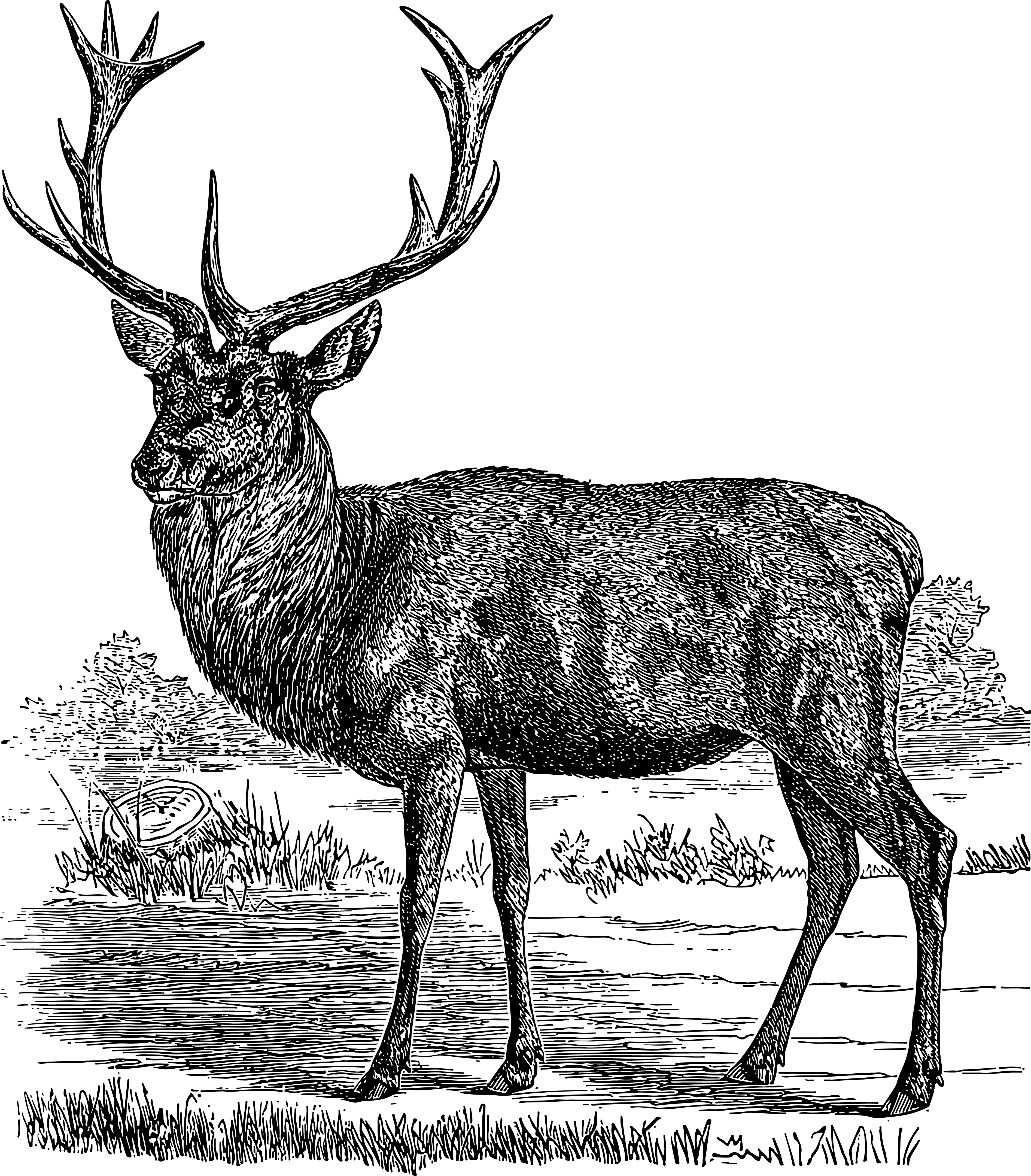
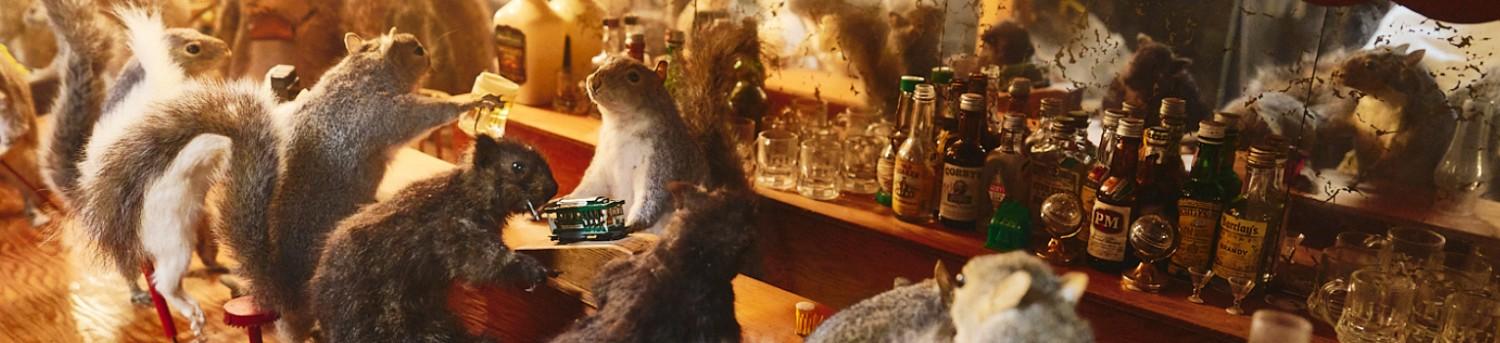
Taxidermy auctions are full of surprises. While classic game animals such as deer, pheasant and fox mounts remain bestsellers, it’s the rare and unusual specimens that truly excite collectors, decorators, and natural history enthusiasts. These one-of-a-kind items often spark bidding wars, draw high valuations, and become centerpiece collectibles.
This article explores the most unique taxidermy items ever sold at our auction, what makes them valuable, and how you can spot or sell rare specimens.
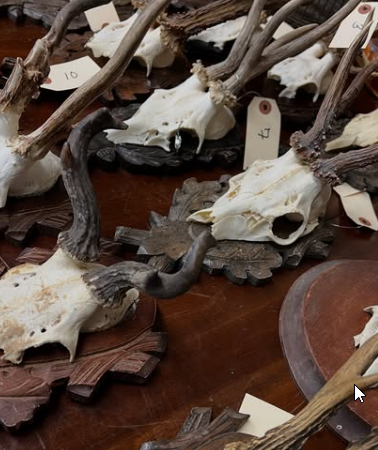
Not every animal or mount is created equal. In the world of taxidermy, rarity can be defined by:
Collectors often pay a premium for mounts that can't be easily found in the market.
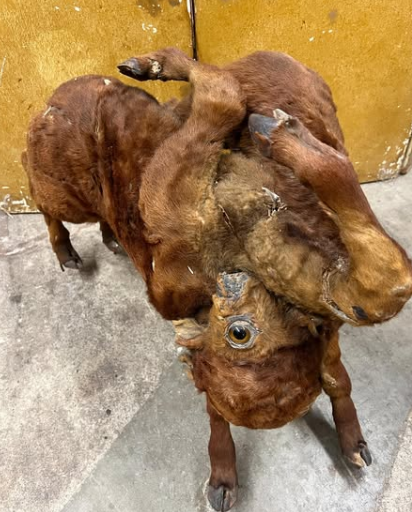
These congenital deformity mounts are quite rare and considered macabre curiosities. A well-preserved authentic calf such as the one shown here garnered significant attention due to its condition and rarity. Such mounts are typically sold in the range of $6,000-$8,000.
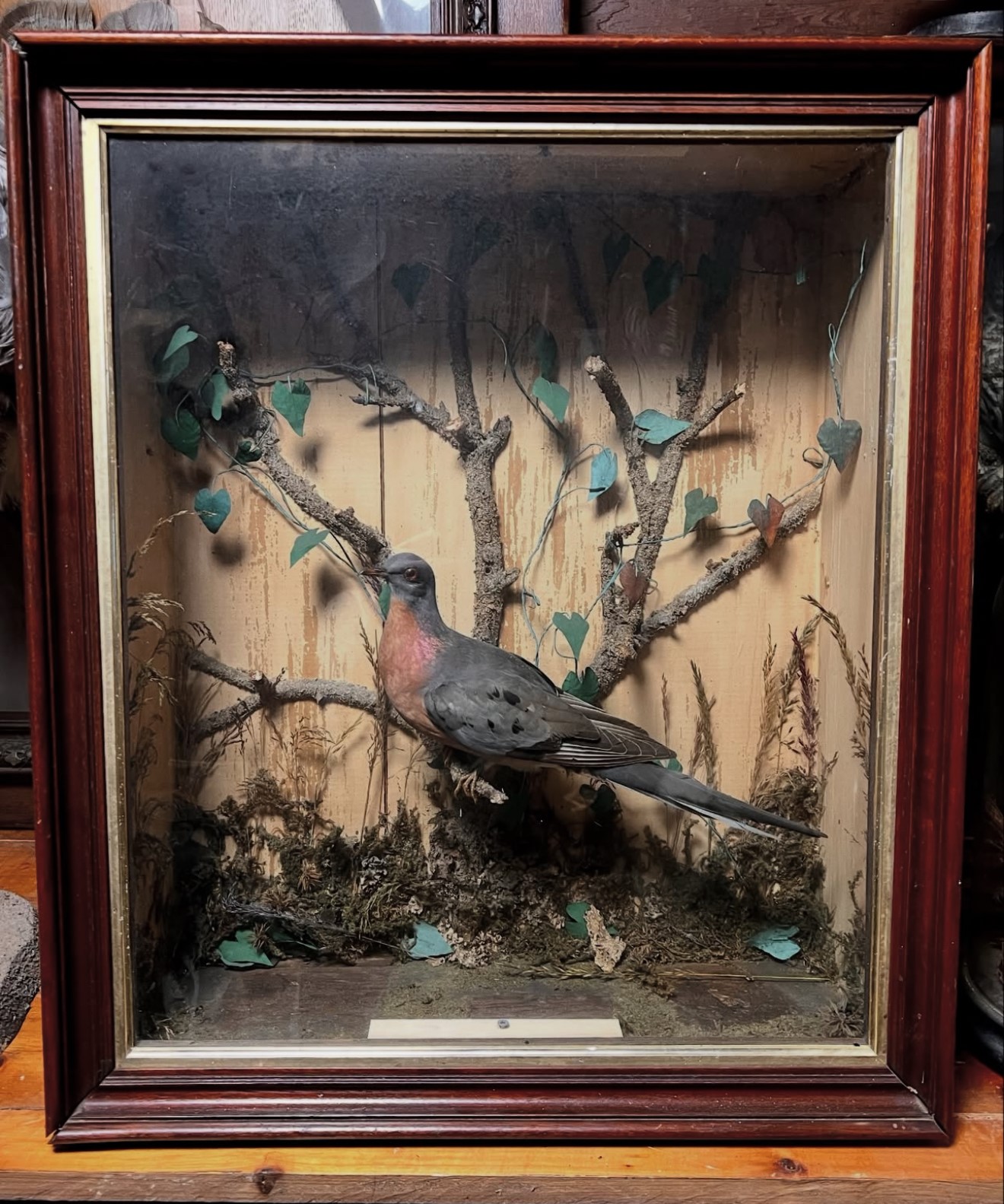
Extinct since 1914, passenger pigeons remain an iconic example of human-caused extinction. Specimens of this once common bird are highly prized at auction, with single feathers achieving several hundred dollars. The mounted specimen above from the late 19th century recently sold by us reached a hammer price of $12,000 USD.
Albino mounts command high prices due to their rarity in the wild. One full-body albino whitetail in pristine condition sold at a several thousand dollars.
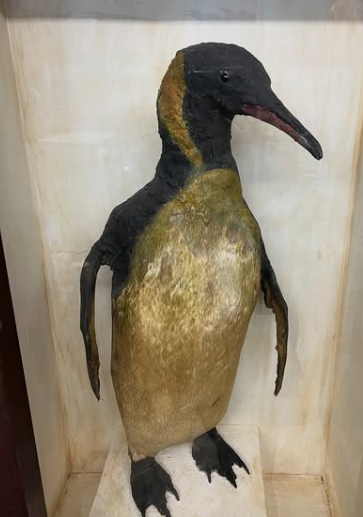
Taxidermy under glass from the Victorian era remains highly collectible. These feature birds, small mammals, or reptiles in dramatic woodland or tropical scenes. The antique king penguin above fetched $11,000 at the hammer, a record at the time.
Creations like jackalopes, unicorns, mermaids, or faux dragons blend real animal parts to create fictional creatures. While whimsical, they are a hit in oddities auctions and among artistic collectors with pricing up to $7500.
While generally still popular with collectors, African antelope such as kudu, sable and gemsbok or African buffalo mounts, have become easier to find with the increasing popularity of internet auctions and marketplaces. Endangered species, such as big cats and rhinos, are quite complex to buy and sell with Federal and State regulations playing a huge role in both legality and pricing. Our auction policy prohibits the sale or consignment of ESA-listed species (Endangered Species Act), but such items can still fetch a high value when offered, most typically to in-state buyers (as legal sales are most often restricted to scenarios in which the seller and buyer are in the same state).
Source: TaxidermyAuction.com historical sale data
Some of the most expensive taxidermy pieces ever sold were due to their impeccable artistry and documented origin.
Source: https://www.instagram.com/taxidermyauction/
If you’re a buyer or seller, knowing how to evaluate uniqueness is key:
Always cross-reference prices on reputable platforms like TaxidermyAuction.com or consult with certified appraisers.
If you own a rare piece, auctions can be the best venue. Here are steps to take:
Platforms like ours often promote rare or special-interest items more heavily, attracting serious buyers and collectors.
Some species cannot be legally traded, especially those under:
If your item is protected or exotic, consult with local wildlife agencies before selling or importing/exporting.
Reference: U.S. Fish & Wildlife Service - WildlifeTrade
Rare and unusual taxidermy items turn heads, start conversations, and hold immense value for collectors. Whether it's a mythical gaff mount, a pre-ban exotic bird, or a vintage Victorian diorama, these pieces carry history, craftsmanship, and mystique.
If you come across a unique item, treat it with care. Document it thoroughly, understand its legal standing, and explore the auction route for best visibility and value.




Send us a message and we'll get back to you as soon as we can!


