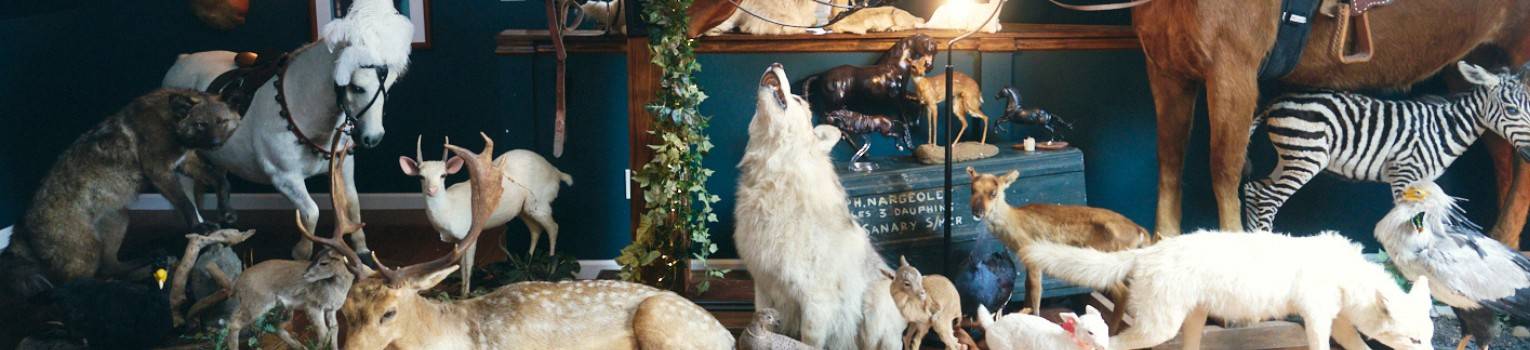
Taxidermy has evolved far beyond hunting lodges and natural history museums. The concept of creating a sense of intimacy with nature by bringing decorative specimens into the home likely dates to the Victorian era (mid to late 1800s) and has gained popularity in recent years. Today's interior designers and homeowners are discovering how thoughtfully chosen wildlife specimens can serve as stunning focal points in modern, rustic, and eclectic home decor. At Taxidermy Auction, we connect design enthusiasts with carefully curated specimens from collections around the world, offering authentic pieces that bring character, conversation, and natural beauty to any space.
Why Taxidermy Works in Modern Interiors
As renowned naturalist John Muir once observed, "In every walk with nature, one receives far more than he seeks." This sentiment perfectly captures why taxidermy resonates so deeply in interior design, each piece brings the profound beauty of the natural world into our daily lives.
These specimens offer:
Authentic craftsmanship that can't be replicated.
Conversation starting focal points for any room.
Natural textures and colors that complement various design styles.
Historical significance and educational value.
Investment potential as collectible pieces.
The Most Popular Species for Home Decor
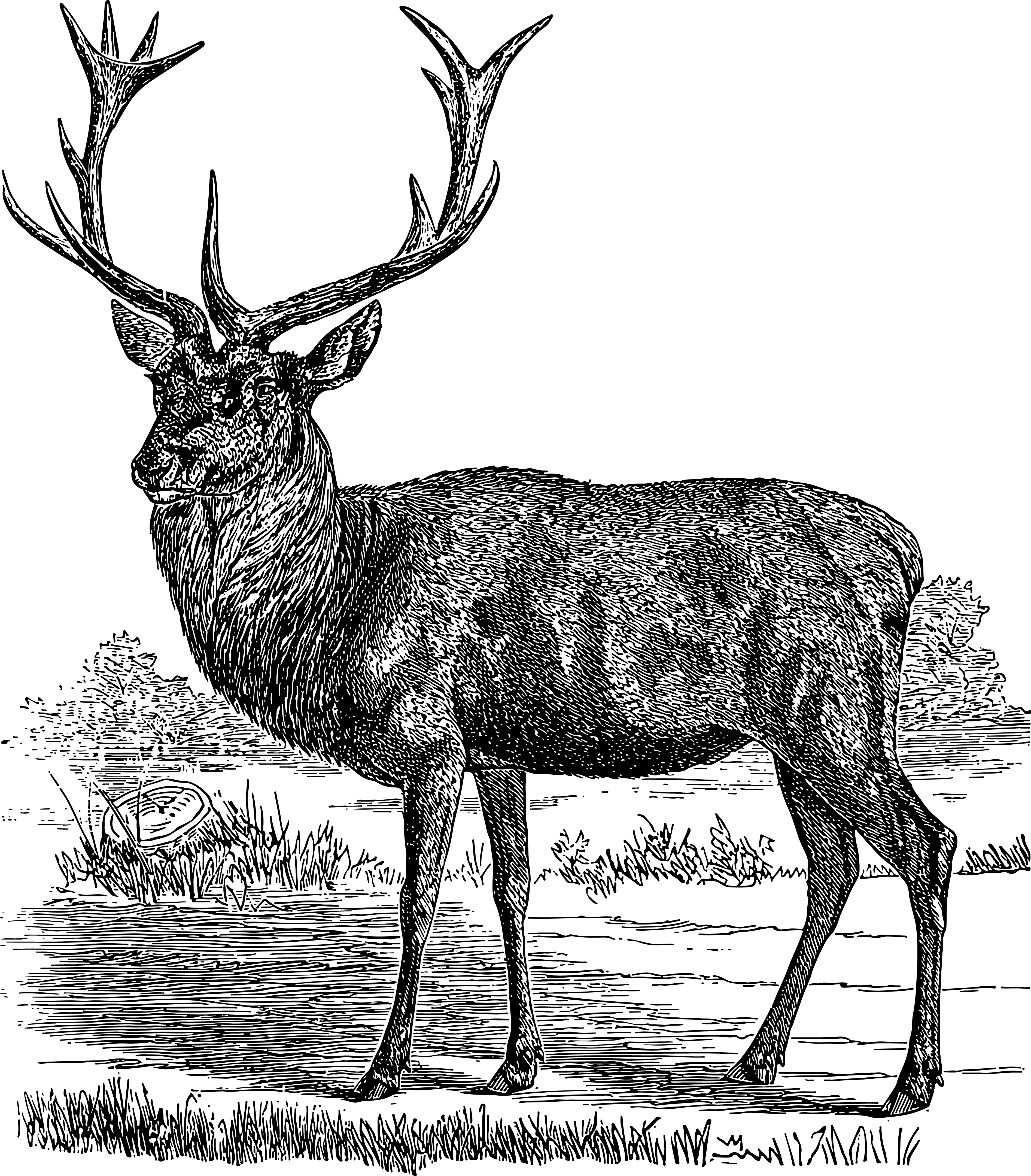
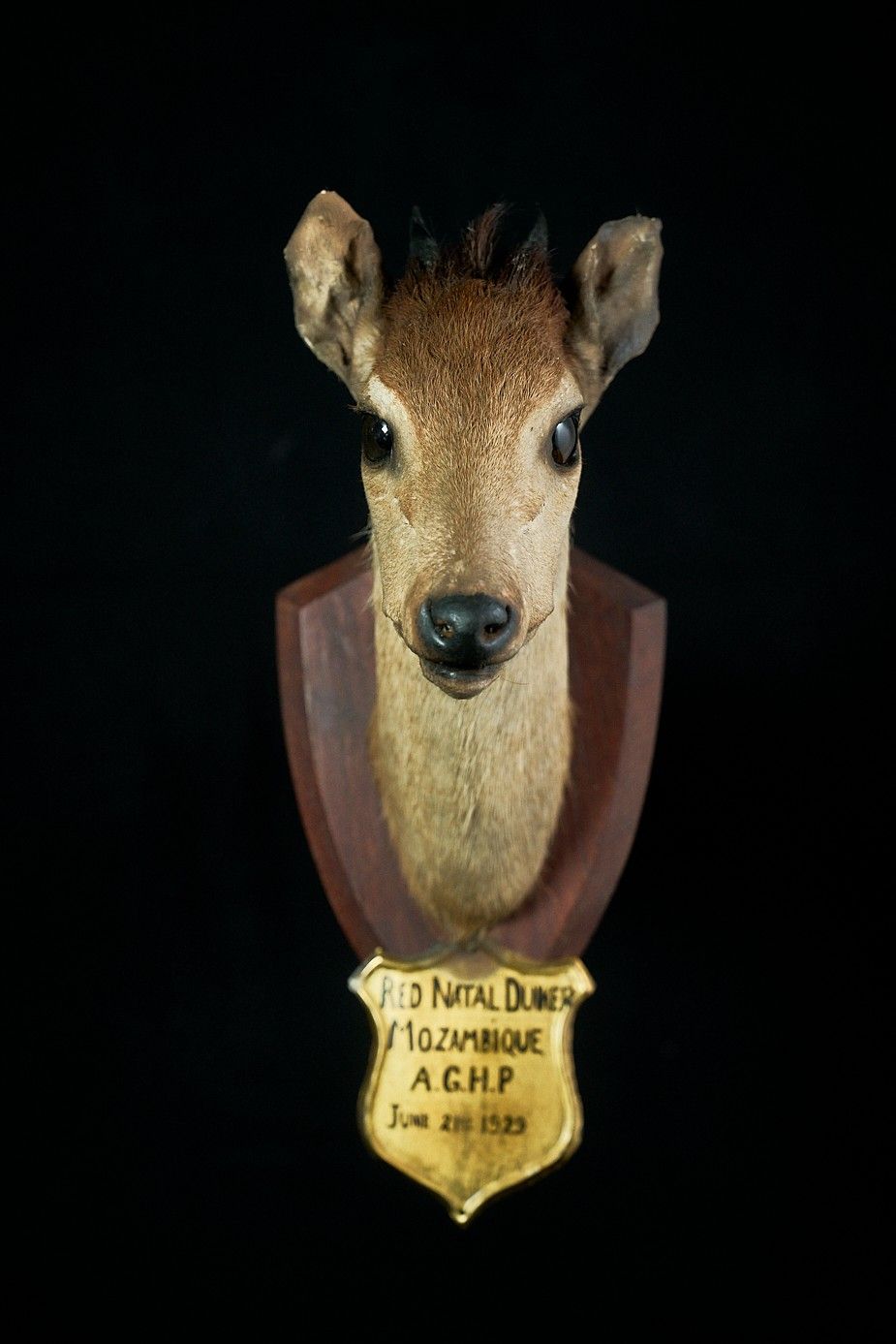
1. Deer Heads and Antlers:
Why They're Popular: Classic, iconic, versatile, and work with everything from farmhouse chic to modern rustic design applications, Deer are also common enough to be readily obtained through taxidermy dealers, auctions and in some cases, even local flea markets and antique shops. They are most appropriate for:
Living room statement walls
Home office or study focal points
Dramatic entryway displays
Cabin and lodge-style interiors
What to Look For: Unusually large or atypical antlers, realistic facial features, good condition of the ears, nose and hide, no evidence of insect damage, and mounts that complement your wall color and lighting.
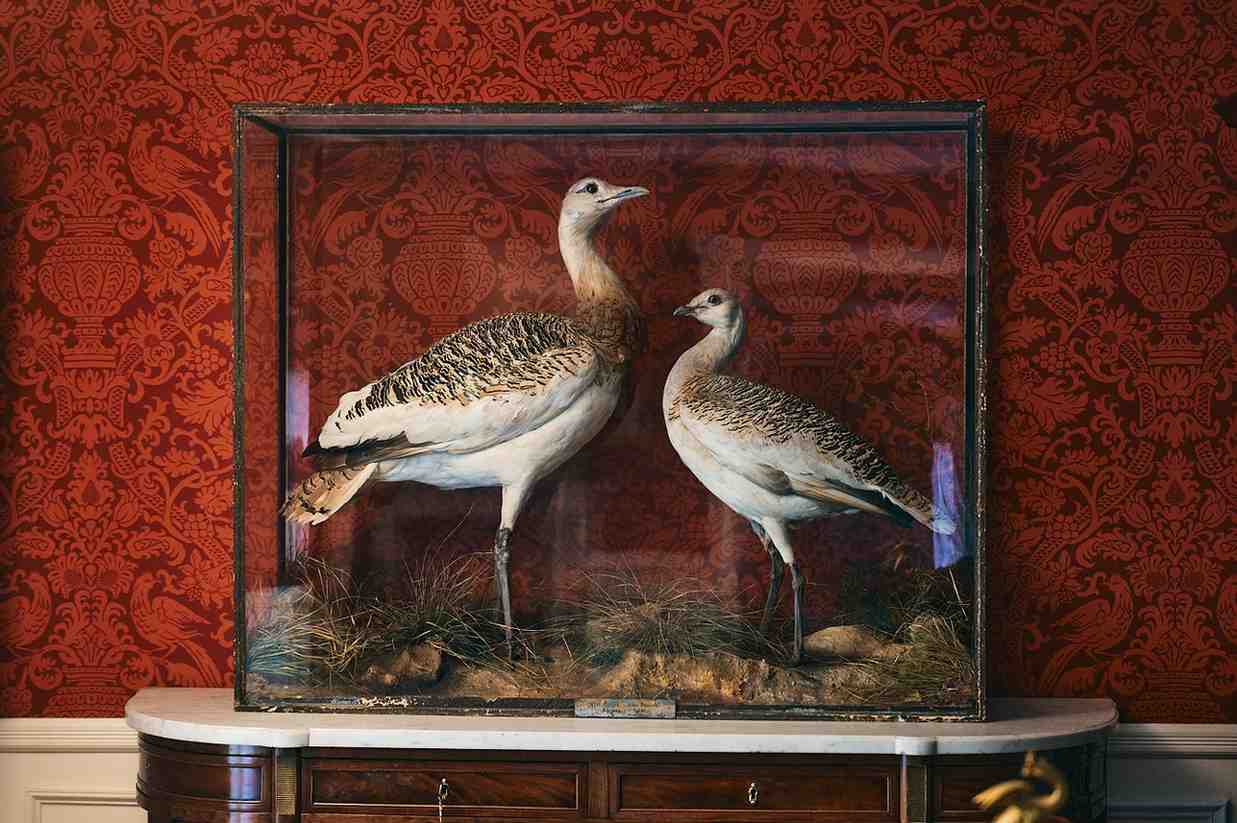
2. Bird Specimens:
Why They're Popular: Offer color, movement, and delicate beauty without overwhelming a space
Best Species for Decor:
Pheasants and Peacocks: Vibrant plumage adds color and texture.
Owls and Hawks: Dramatic presence for sophisticated interior (note that many such species, particularly those native to the United States are protected and not legal to own without special permits).
Waterfowl: Perfect for coastal or lake house themes.
Exotic Birds: Conversation pieces for eclectic collectors and antique enthusiasts.
Design Applications: Shelving displays, glass dome presentations, or grouped collections.
3. Fish Mounts:
Why They're Popular: Bring oceanic or lake house vibes to any interior
Top Choices Include:
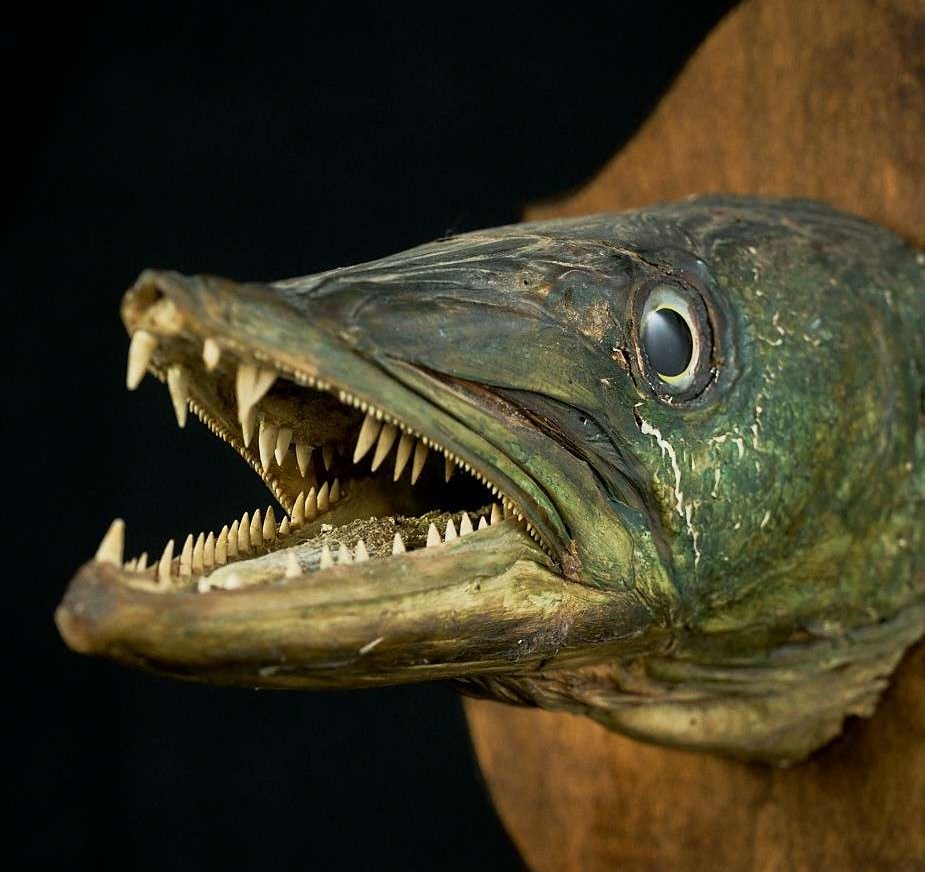
Freshwater Trophy Fish: Bass, trout, walleye, perch and Northern pike for rustic charm.
Saltwater Specimens: Marlin, sailfish, mahi and tuna for dramatic impact and a touch of kitsch.
Replica vs. Real skin: High-quality replicas and reproductions offer color retention and durability with a nod to sustainability .
Design Applications: Pool rooms, home bars, coastal-themed spaces, or masculine dens or “man caves.”
4. Small Mammals:
Why They're Popular: Add whimsy and natural charm without dominating a room
Popular Species:
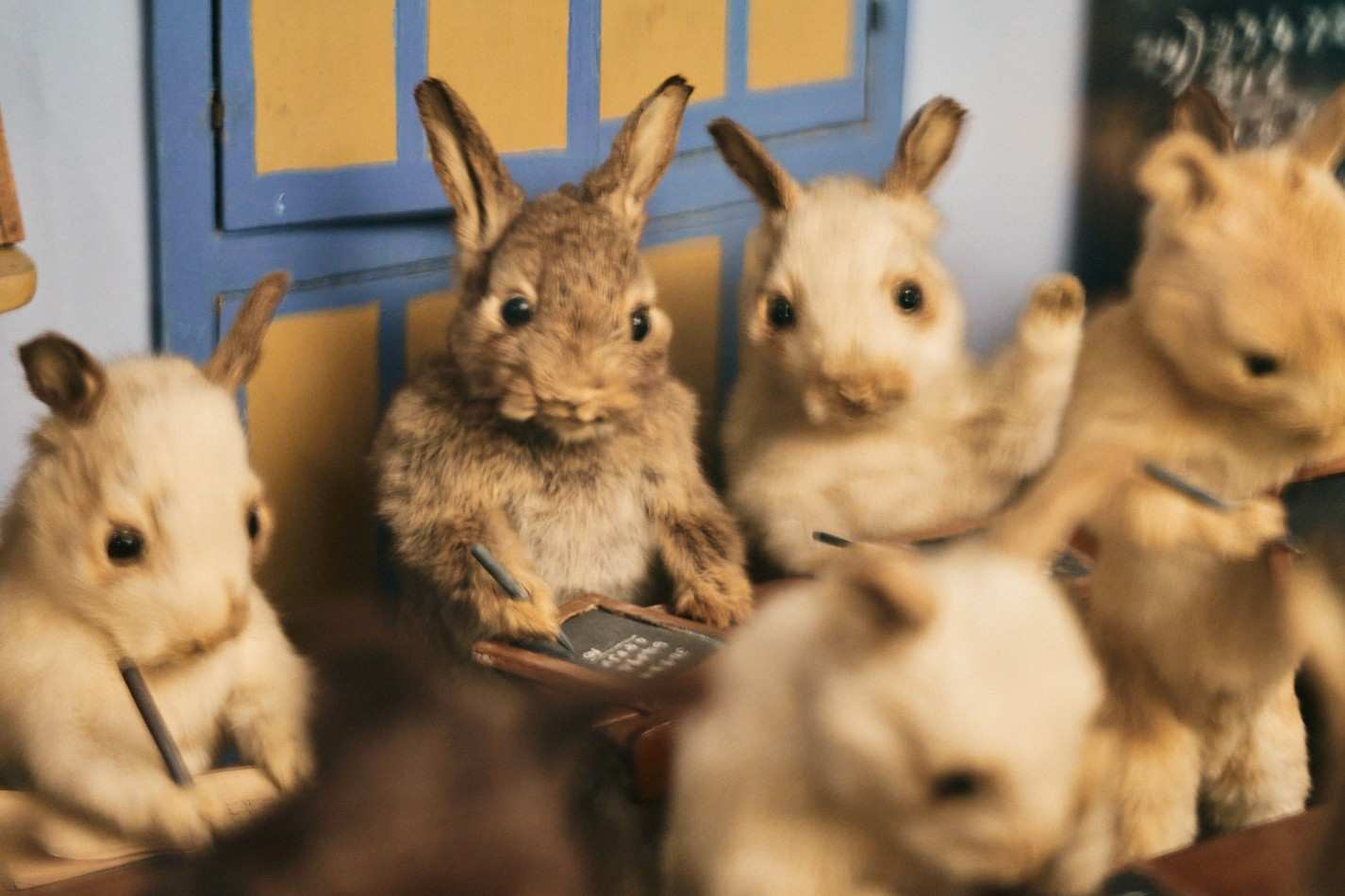
Rabbits and Squirrels: Perfect for nurseries or cozy reading nooks.
Fox Specimens: Elegant and sophisticated for modern interiors.
Vintage Pieces: Often feature superior craftsmanship from by gone eras.
5. The Big Three of Design (Moose, Bison and Zebra)
Why They're Popular: These three species are extremely popular with interior design professionals and tend to hold their value more than others while adding rustic character or a touch of the exotic (in the case of the Zebra)
Popular Species:
Moose: Ideal for a northern camp or cabin aesthetic, there are few design choices more icon than a large taxidermy moose placed high above a stone fireplace.
Bison: For a more Western or Native American design orientation, the American Bison, once hunted to near extinction, is tough to match. Like the moose, these large and iconic animals are an enduring symbol of America’s Westward expansion.
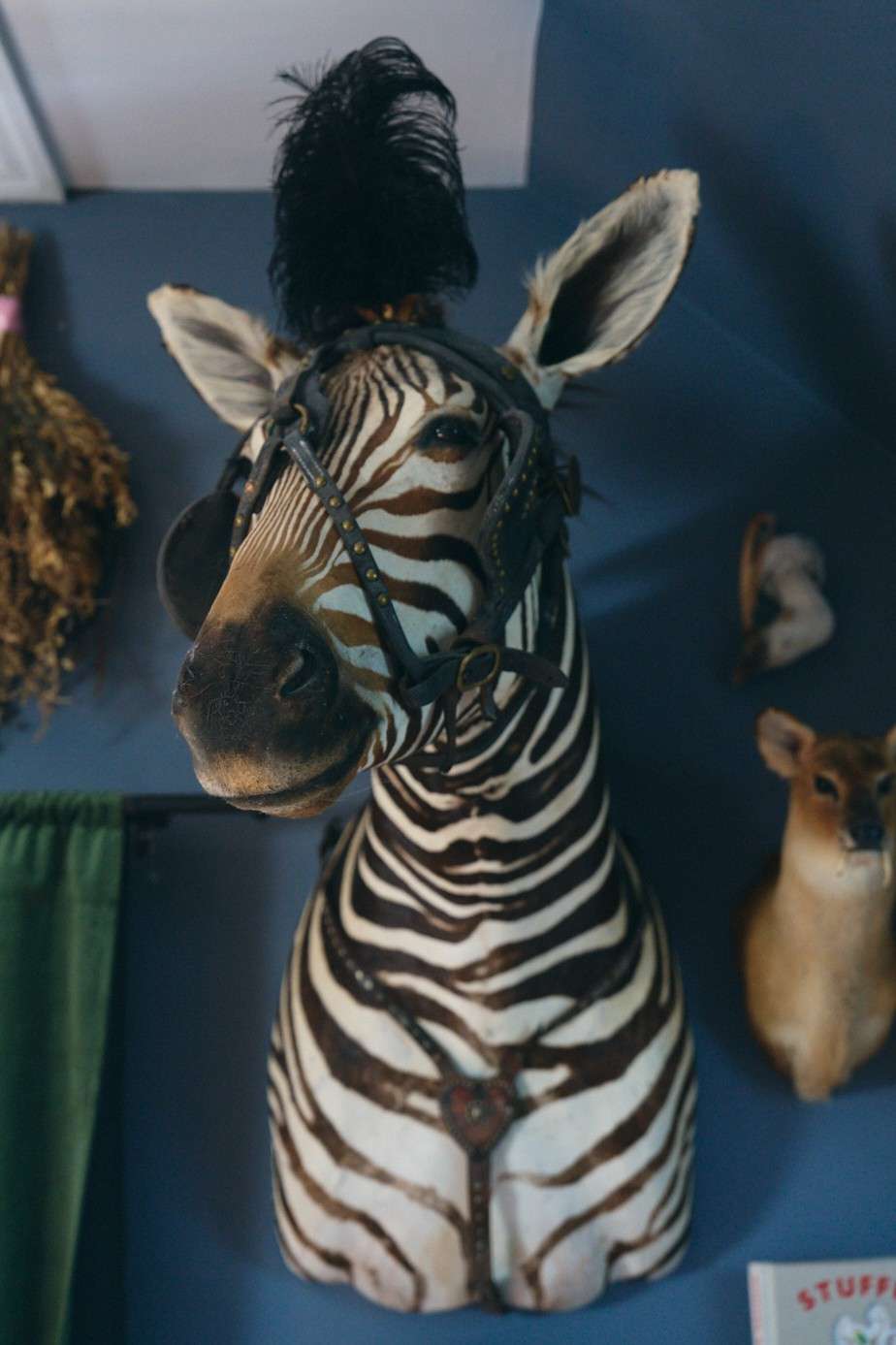
Zebra: If your vibe leans more towards eclectic décor, Zebra mounts may be the right choice. With bold contrasting black and white stripes that are unique in the animal world, the zebras are both instantly recognizable and familiar, yet undeniably exotic. Like the moose and bison, their popularity helps maintain their value even after decades of ownership.
6. Exotic and Unusual Specimens:
Why They're Popular: Unique pieces that serve as true statement art.
Collector Favorites:
African Game: Adds global sophistication.
Unusual Species: Conversation starters for eclectic homes.
Vintage Collections: Often feature rare species no longer commonly available.
Design Tips for Incorporating Taxidermy:
Avoid direct sunlight to preserve colors and prevent fading from U.V. exposure.
Use accent lighting to highlight details and create ambiance.
Consider shadows as part of the design element.
Scale and Proportion:
Match mount size to room dimensions.
Consider ceiling height for larger specimens.
Balance with other decor elements.
Avoid overcrowding (unless you are explicitly trying to create a trophy or collection room, less can often be more).
Style Integration:
Modern Homes: Choose clean, minimalist mounts as artistic focal points.
Rustic Interiors: Layer multiple pieces for authentic lodge feeling.
Eclectic Spaces: Mix taxidermy with art, plants, and vintage finds.
Traditional Decor: Use as anchoring elements in classic room designs.
What Makes Auction Pieces Special?
When you acquire taxidermy through a specialist auction, you're not just buying decor you're preserving pieces that previous collectors cherished and this kind of provenance helps pieces hold their value. These specimens often feature:
Superior vintage craftsmanship from renowned taxidermists.
Unique provenance and historical significance.
Rare species no longer commonly available.
Investment value that can appreciate over time.
Authentic character that mass-produced items can't match.
Caring for Your Taxidermy Decor:
Placement Considerations
Keep away from high humidity areas (bathrooms, kitchens).
Avoid direct heat sources (fireplaces, heating vents).
Choose stable walls that can support the weight and use anchors or similar hardware for hanging on drywall .
Maintenance Tips:
Dust gently with soft brushes or compressed air.
Monitor for any pest activity, particularly moths, beetles and rodents (for mounts placed on the floor or other accessible areas).
Maintain consistent indoor temperature and humidity to the extent possible.
Finding the Perfect Taxidermy:
At Taxidermy Auction, we offer:
Honest and transparent descriptions of condition so you know exactly what you're bidding on.
High-resolution photos from multiple angles upon request and live video feeds showing each piece from multiple angles during the weekly auctions.
Provenance information when available.
Dimension specifications for planning your display.
Our curated selection comes from experienced collectors, estates, and institutions looking to find new homes for their cherished pieces. This means you'll discover a wide range of specimens with history, character, and often superior craftsmanship compared to contemporary alternatives.
Start Your Collection Today:
Each auction presents new opportunities to discover exceptional pieces that will enhance your home's character for years to come.
Ready to explore our current auctions? Browse our latest listings to find the perfect wildlife specimen that speaks to your style and space. From classic deer heads to exotic birds, your next design treasure is waiting to be discovered.
Every piece tells a story - let us help you find yours.
Keep In Touch
Thank you! Your submission has been received!
Oops! Something went wrong while submitting the form.