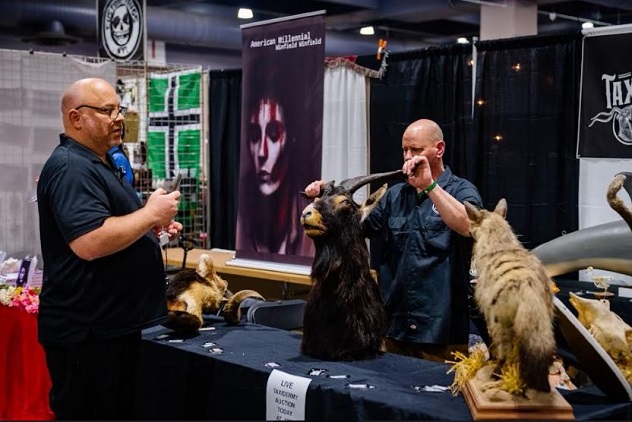
For many reasons, selling taxidermy isn’t always a straightforward task. In addition to legal considerations for protected species, it can be difficult to gauge what a piece is truly worth. Many owners looking to sell have an emotional connection to the specimens, particularly in the case of sport-hunted trophy animals that a family member or they themselves hunted. Not only do they remember (and value) the experience of the hunt, but they also recall the considerable expense involved with the travel, permit costs, guide costs, and of course, the fee charged by the taxidermist to prepare the specimen as a trophy mount. Buyers lacking this emotional connection are typically unwilling to pay a price that even comes close to enabling a seller to recover the cost associated with mounting a specimen, let alone the other expenses associated with the hunt. Many collectors spend months waiting for a single buyer to pay their asking price, but this exercise is not unlike finding the proverbial needle in a haystack. By contrast, well publicized taxidermy auctions offer a compelling alternative that brings knowledgeable collectors together and creates a sense of competition that typically results in higher prices for sellers and faster turnaround. Online auctions have completely changed the way collectors and sellers approach this market. Such specialist auctions have created an exciting space where rare mounts, vintage taxidermy, and artistic specimens get the attention they deserve in a competitive environment. Selling taxidermy through an auction gives sellers control, speed, and confidence. This post explains why auctions are typically a smarter, faster, and more profitable way to sell your taxidermy collection.
Limitations of Private Sales
Selling taxidermy privately is easier said than done as most sellers quickly realize that private buyers can be unpredictable. Here are some limitations of private sales.
- Uncertainty: If posting a piece to an online marketplace, you may wait weeks for a response, only to receive an offer that barely covers your costs. Similarly, prospective buyers will inquire about a piece, asking questions such as “Is this still available?” or “Are you firm on the price?” only to lose interest and cease communicating after you respond.
- Excessive Bargaining: Some collectors are resellers trying to score a bargain. Without a competitive setting, there’s little incentive for buyers to pay what a piece is truly worth. Such buyers will come up with endless reasons why your mount isn’t worth what you believe it to be worth.
- Trust issues: There’s also a trust factor. Many private deals happen through word of mouth or online listings, where transparency is minimal. You don’t always know who you’re selling to, or whether they genuinely value your mount.
If we compare taxidermy auctions vs private sale, most people favor the auction side. A well-run auction brings structure and fairness to what is otherwise a guessing game and can help sellers maximize their profits, even after fees are considered.
Common Taxidermy Seller Concerns
Many first-time sellers have questions about fees, timing, and audience size. Those are fair concerns, but they’re also easy to clear up. Here are a few key points to consider.
- Auction charges: As a seller, you need to pay auction fees, but they aren’t just service costs. They cover typical cover photography, marketing, catalog placement, and promotion to targeted networks of serious collectors. Instead of paying for ads or hoping social media posts reach the right people, your piece gets automatic visibility through expert curation. While the actual fees do vary by auction house, it is typical to pay a selling commission 20% to 30% on the final sale price or “hammer.”
- Time and schedule: Time is a significant factor as private sales can drag on indefinitely, but auction schedules have a definite schedule. Almost always, once you consign your piece, it’s listed, and it sells within days or weeks and payment to you, as a consignor, is generally processed in 30-60 days.
- Reach: Many auction houses can reach serious buyers within days or weeks. Others may auction several times per year. Either way, that’s the kind of pace that makes selling taxidermy at auctions so appealing, particularly if you have a large collection that would otherwise take years to sell in a piecemeal manner. Moreover, few private sellers can match the thousands of registered bidders who actively follow taxidermy auction events.
How Taxidermy Auctions Create Better Value
There are many benefits of selling taxidermy at an auction. Some of the most significant are listed below.
- Fair value: Compared to a private sale-by-owner, auctions typically fetch a better value for taxidermy specimens The reason is simple: a competitive marketplace is created. When multiple bidders are interested, the price climbs naturally to reflect true market demand. This is especially true for the sale of rare or antique taxidermy pieces that deserve proper recognition.
- Interface between buyers and sellers: There are actual benefits of selling taxidermy at auctions as they connect sellers with collectors, museums, decorators, and enthusiasts from across the country, rather than a few local buyers or resellers that happen to reside in the seller’s immediate vicinity. Connecting to a wider range of dedicated collectors from around the country or around the world increases the odds of finding the right buyer for a piece.
- Genuine buyers and visibility: More eyes watching the mounts mean better odds. An elk shoulder mount or an antique fox diorama that might sit unsold privately for months can sell quickly once featured in front of a passionate bidding audience. Plus, there’s excitement as people don’t want to miss out on the best mounts and deals. This urgency helps drive fair market value.
- Transparency in the process: One major reason sellers prefer professional auctions is the transparency it offers. Every step is thoroughly documented, from the initial appraisal to the final sale. Bids are visible, timelines are clear, and payments are processed securely. You always know what’s happening and why. In private sales, where there’s rarely any paperwork or any appraisal guidance. You might rely on word of mouth or someone’s “best guess” of what your item is worth. On the other hand, many professional auction houses provide expert evaluation and legal clarity, thereby protecting both the seller and buyer. Visit Taxidermy Auctions to see how this process works.
Why Sell Through Taxidermy Auction
At TaxidermyAuction.com, we’ve built a marketplace specifically for people passionate about wildlife art and natural history pieces. Our platform hosts curated weekly sales that feature everything from North American big game mounts to exotic antique dioramas from the Victorian era. Each auction is tailored to connect your specimens with a serious, knowledgeable audience.
Here’s what sets us apart:
- Curated weekly auctions featuring diverse collections
- Dedicated collector audience with thousands of active bidders
- Photography and marketing to showcase your items beautifully
- Streamlined consignment process for fast, easy selling
Explore our Live Taxidermy Auctions
If you’re thinking about selling your collection or even a single unusual specimen, connect with our experts who understand the value of your pieces and know how to present them effectively.
Contact Us to learn more about consigning your collection.
You can also discuss with them the possibility of getting your specimens listed in the next live auction. To learn about the process, you can join our next event and see how professional selling can transform your collection’s worth.
Join Our Live Taxidermy Auctions here.