
If you're a seasoned taxidermy collector or just starting out, auctions offer a treasure trove of opportunity. Whether held online or in-person, taxidermy auctions have become the go-to destination for acquiring unique, high-quality, and often rare taxidermy mounts that aren’t available anywhere else.
From competitive pricing to historical finds, here’s why buying taxidermy at auction is one of the smartest moves a collector can make.
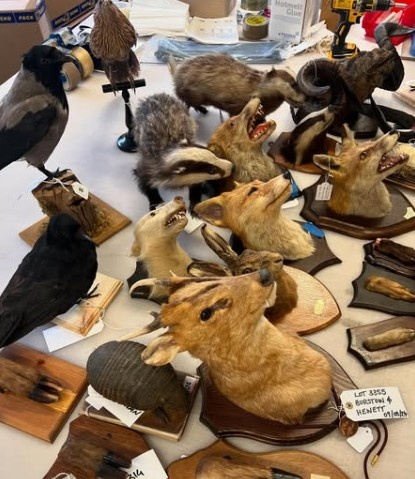
Auctions are one of the few places where truly rare taxidermy becomes available to the public. While most retailers offer common shoulder mounts, auctions often feature unique items from dedicated collectors, museums and estates. Often, such collections include rare finds, such as:
• Victorian-era diorama displays.
• Albino or melanistic animals.
• “Freak” specimens with unusual deformities or other aberrant characteristics
• Extinct or pre-ban species with provenance
• Artist-signed or museum-retired mounts
Collectors looking to differentiate their collections turn to auctions as their best chance of discovering rare specimens and are willing to compete aggressively to acquire pieces that could truly be once-in-a-lifetime finds.
Contrary to popular belief, auctions aren’t just for big spenders. In fact, they often present incredible deals:
Because many auction items are sold directly by owners or estates, pricing can be lower than commercial market rates. With the right research and timing, buyers can build collections affordably.
Reputable auction houses typically provide detailed descriptions and history of each piece:
• Year of mounting.
• Artist or taxidermist name.
• Provenance (e.g., museum, estate, outfitter).
• Legal documentation (CITES, hunting permits, pre-ban status).
This level of transparency helps buyers trust what they’re purchasing, particularly important with vintage or exotic specimens.
A typical taxidermy auction may list hundreds of items, covering:
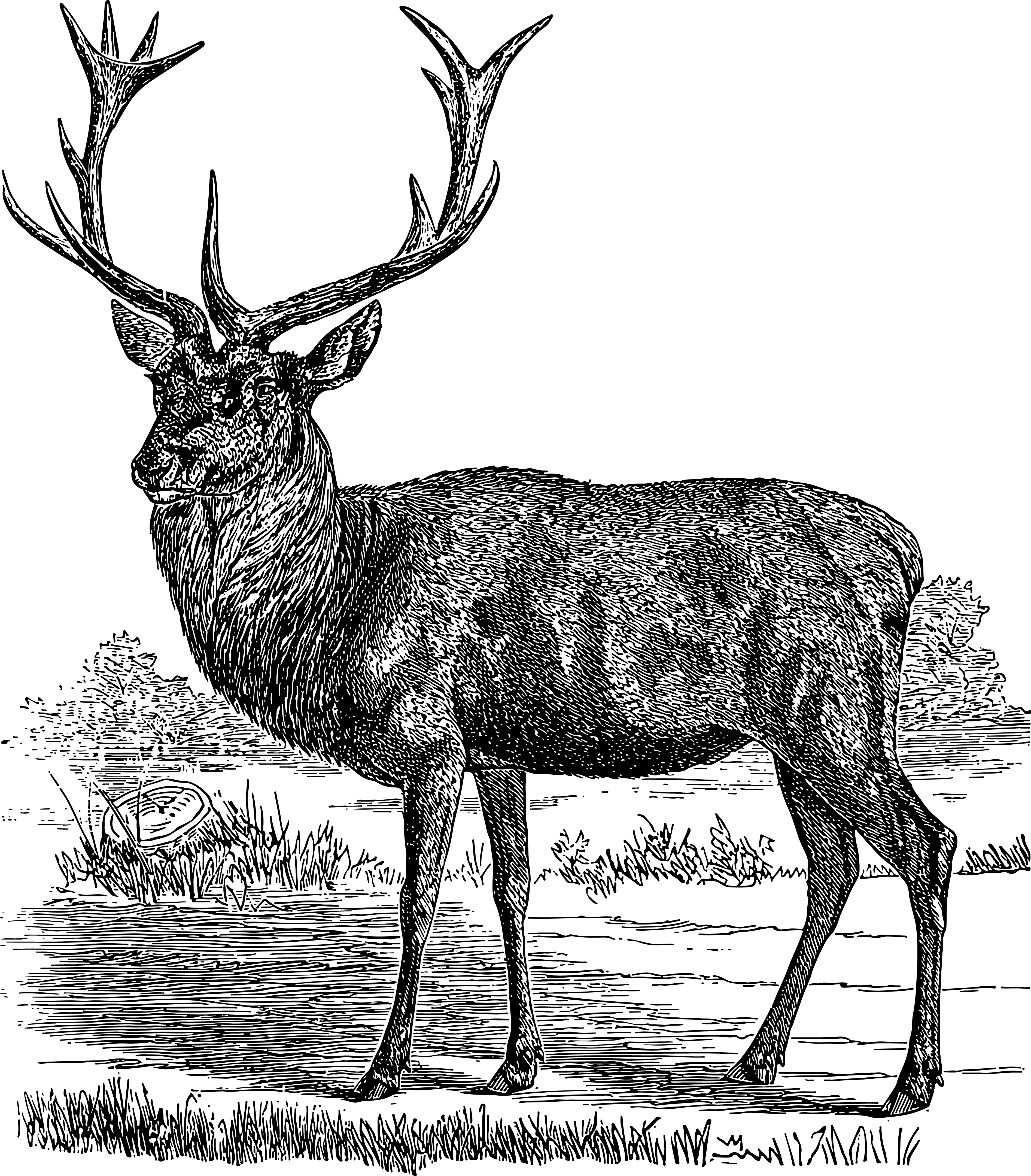
• North American game (deer, elk, moose).
• Small mammals (foxes, squirrels, raccoons).
• Birds (pheasants, ducks, exotic parrots).
• Fish skin mounts and reproductions .
• Rugs and skull mounts.
Rather than sourcing items piecemeal from various sellers, collectors can explore a wide range of mounts in one sitting, often with advanced filtering options on online platforms.
Digital auction platforms like TaxidermyAuction.com have revolutionized access to taxidermy:
• Bid from anywhere.
• Real-time or timed bidding.
• Auto-bid functions.
• Photo galleries and close-ups.
• Bid history for fair valuation.
This makes collecting more accessible than ever, even for those in remote areas.
Certain taxidermy items tend to appreciate in value over time. This includes:
• High-quality vintage mounts.
• Species that become increasingly regulated.
• Artist-signed or competition-winning pieces.
As taxidermy becomes harder to source legally (due to changing wildlife laws), early investors may see growing demand and value for existing specimens.
Though most taxidermy auctions are traditional and simply move through the lots in an expedited manner, some taxidermy auctions foster active collector communities and engagement with features such as:
• Chat rooms and live auctions create social interaction.
• Forums and buyer reviews help vet sellers.
• Repeat buyers often gain early access or alerts.
These networks help buyers learn, connect, and refine their collecting strategies.
Always read auction terms, inspect photos carefully, and contact the seller or auction house with questions. It is also considered a best practice to ask for detailed “condition report,” especially on high value items likely to command a premium price.
Buying taxidermy at auction opens doors to rare specimens, competitive pricing, and deeper involvement in the collecting community. With growing interest in both vintage and contemporary mounts, auctions are no longer just for insiders - they’re essential for anyone serious about building a standout collection.
Whether you're after a classic buck, a rare bird, or a mythical hybrid, the auction floor (virtual or live) is where you are most likely to find your next great piece.




Send us a message and we'll get back to you as soon as we can!


